



How Black History Month Transformed America
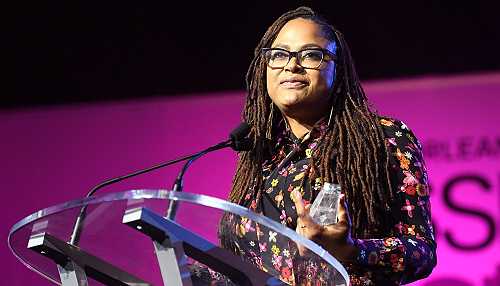 For decades, the contributions of African Americans were marginalized and ignored in American history. But with the advent of Black History Month, a new narrative began to emerge, one that celebrated the achievements and struggles of Black people. This shift has had far-reaching consequences, transforming education, culture, and society as a whole.
Restoring History
Black History Month helped correct the historical record by spotlighting overlooked leaders, thinkers, artists, scientists, and everyday changemakers. Figures like Harriet Tubman, Carter G. Woodson, Bessie Coleman, and countless others gained long-overdue recognition, reshaping textbooks, classrooms, and cultural conversations. This restoration of history didn't just benefit Black Americans; it gave the country a fuller, more honest understanding of its own past.
Transforming Education
One of the most lasting impacts of Black History Month has been its influence on education. Schools that once glossed over slavery, Reconstruction, and the Civil Rights Movement began engaging more deeply with these topics. Over time, Black history stopped being treated as a side note and became essential to understanding American democracy, technology, labor movements, music, politics, and innovation. Today, discussions sparked during Black History Month often lead to year-round curriculum changes, teacher training, and expanded reading lists.
Shaping American Culture
Black History Month has also helped normalize the celebration of Black excellence in mainstream culture. The film, television, publishing, fashion, and music industries increasingly recognize Black creators not as niche voices but as central to American creativity. This shift has given rise to a new generation of Black filmmakers, writers, artists, and musicians who are pushing boundaries and challenging stereotypes.
Encouraging National Reflection
Black History Month created space for collective reflection, especially around America's legacy of racism and inequality. While uncomfortable at times, these conversations pushed institutions, corporations, and governments to acknowledge past harms and consider how they show up in the present. From museum exhibits to workplace diversity initiatives, the month has encouraged dialogue about justice, equity, and belonging.
Empowering Generations of Black Americans
Perhaps most importantly, Black History Month has played a powerful role in affirming identity and pride within Black communities. Seeing stories of resilience, brilliance, and leadership reflected publicly has helped generations of Black Americans understand their worth and place in the nation's story. This visibility fuels confidence, ambition, and connection, especially for young people who may not otherwise see themselves represented as innovators or leaders.
Black History Month has been a game-changer for America, transforming education, culture, and society by celebrating the achievements and struggles of Black people. As we continue to navigate our complex history, it's essential that we build on this momentum, ensuring that the stories and experiences of Black Americans remain at the forefront of our national conversation.
Topic Live