


Key U.S inflation gauge shows price growth cooled in April with little sign of tariff impact
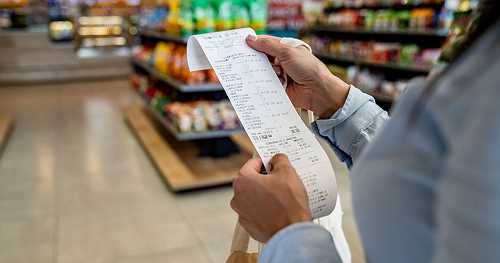 Understanding U.S. Inflation Trends: A Closer Look at April's Data
Inflation remains a central concern for economists and policymakers as they navigate the delicate balance of economic growth and price stability. Recent data has shed light on the latest developments in U.S. inflation, particularly in April 2025, offering insights into whether ongoing efforts to control rising prices are succeeding.
According to the Core Personal Consumption Expenditures (PCE) index, a key indicator tracking price changes across various goods and services, inflation growth appeared to slow down in April. This is a critical moment for the Federal Reserve as it assesses whether its strategies to combat inflation are yielding results. The PCE data suggests that while prices may have been rising earlier in the year, April marked a notable cooling of price growth.
Interestingly, there was little evidence of any meaningful impact from ongoing trade-related tariffs on prices during this month. Tariffs often create volatility in markets by introducing uncertainty and shifting supply chains. The lack of significant pricing effects from these policies underscores the complexity of their influence on consumer spending patterns.
Consumer spending, a crucial driver of economic activity, showed signs of slowing despite steady increases in disposable incomes. This is an intriguing development as higher prices for imported goods could theoretically erode purchasing power. However, the data indicates that consumers are reacting cautiously rather than reacting comprehensively to price hikes. This suggests that inflationary pressures, while present, may not yet be fully translated into broader inflationary effects.
Economists attribute this slowdown in consumer spending to several factors. First and foremost is the lingering impact of rising energy prices, which can disproportionately affect low-income households. Additionally, the Fed's recent interest rate hikes are likely contributing to consumers feeling the pinch as their savings from lower income growth are offset by higher expenses on essential items like food and transportation.
The slower pace of inflation has important implications for both consumers and businesses. For individuals, it means that while disposable incomes may be rising, the cost of goods they purchase is also increasing, potentially reducing the purchasing power available to them. For businesses, this could translate into higher operational costs without a corresponding boost in demand, complicating profit margins.
Looking ahead, the economic landscape remains uncertain. While the Fed's tightening monetary policy continues to influence markets, the extent to which inflationary pressures will escalate is still a matter of speculation. The April data hints at a cautious environment where price growth is cooling but not yet stabilizing.
In conclusion, the U.S. economy is navigating a period of heightened awareness about inflation and its multifaceted impact on different sectors. While signs of inflationary momentum are tempered by cooling price growth in April and minimal tariffs-related effects, the broader economic implications remain to be seen. Policymakers and investors will need to closely monitor these developments as the year unfolds.
------
Topic Live