



Trump administration's tariffs hits black haircare industry hard | Africanews
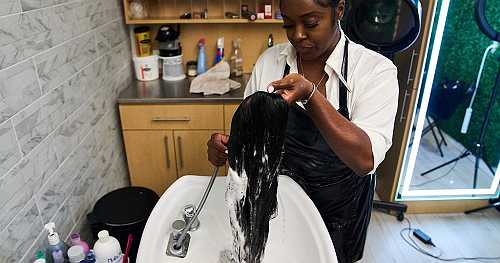 The Impact of Trump Administration Tariffs on the Black Haircare Industry
In an era where beauty remains a universal pursuit, the African American community continues to thrive despite systemic challenges. However, recent developments have thrown an unexpected curveball: the increased tariffs imposed by the U.S. President Donald Trump administration on imported goods are significantly raising prices in the black haircare industry.
The rising cost of products like shampoos, conditioners, and styling tools has left many Black women in a vulnerable position. Beyond inflationary pressures, the hike in salon rent further exacerbates financial strain, making it even more difficult for stylists to maintain their livelihoods. While prices at salons have been on the rise, this article focuses specifically on the impact of tariffs.
The tariffs, targeting essential imported products, directly affect the black haircare industry by increasing the cost of goods already burdened by inflation and supply chain disruptions. This surge in pricing has a ripple effect, making it harder for Black women to afford basic beauty supplies, which are often prioritized over other expenses.
The financial pinch extends beyond consumers to their stylists as well. Higher product costs translate into increased operational expenses for salons, cutting into profit margins. Many stylists have had to raise their own prices, leading to a cycle of financial stress that is particularly challenging given the already limited resources in this industry.
As salons face these challenges, the question arises: how can the black haircare industry navigate this heightened economic difficulty? The resilience and creativity of Black women continue to be a source of strength, enabling them to adapt and find ways to maintain their beauty routines amidst these obstacles. However, it is crucial for stakeholders to explore alternative solutions that could mitigate these challenges without alienating or marginalizing any segment of the community.
In conclusion, while the black haircare industry endures significant financial pressure from inflation, tariffs, and rising operational costs, there remains hope. By fostering collaboration between policymakers and industry leaders, we can explore pragmatic solutions that empower Black women to thrive in this competitive landscape.
------
Topic Live