



The Art of Ruth Asawa: A Legacy of Wonder and Awe
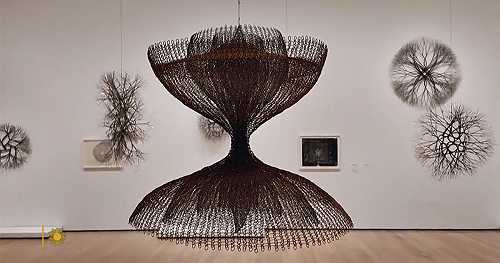 In a world where art is often seen as a luxury, one woman's creations have transcended time and space to inspire wonder and awe in all who behold them. Meet Ruth Asawa, a sculptor whose life was marked by resilience, resourcefulness, and an unwavering passion for her craft.
A Life of Adversity and Triumph
Born in 1926 on a farm in Southern California, Asawa's early years were shaped by the harsh realities of the Great Depression. But it was during World War II, when she was interned in a detention camp for Japanese Americans, that her artistic journey truly began. With limited resources and no formal training, Asawa taught herself to sculpt using wire hangers and other scraps, creating intricate works that would eventually earn her international recognition.
A Legacy of Innovation
Asawa's art is a testament to her resourcefulness and creativity. She experimented with a wide range of media, from metal to wood to paper, pushing the boundaries of what was possible in each medium. Her sculptures are not just beautiful objects; they are also powerful statements about the human condition, reflecting themes of identity, community, and resilience.
A Retrospective at MoMA
Today, Asawa's work is celebrated around the world, with a major retrospective currently on view at New York's Museum of Modern Art. The exhibition showcases over 100 works from across her career, offering a glimpse into the artist's creative process and her enduring legacy. For those who have never seen Asawa's art before, this is an opportunity to experience the wonder and awe that has captivated audiences for generations.
Ruth Asawa's life and work are a powerful reminder of the transformative power of art. Through her creations, she has inspired countless people to see the world in new and unexpected ways. As we marvel at her sculptures, let us also remember the woman behind them – a true pioneer who defied adversity and achieved greatness through her unwavering dedication to her craft.
Topic Live