



When Genius Turns Dangerous: Lessons from William Shockley to Elon Musk.
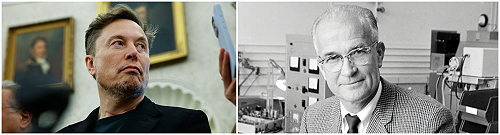 When Genius Turns Dangerous: Lessons from William Shockley to Elon Musk
In an era where innovation is celebrated and sometimes driven by profit-driven values, it's crucial to recognize that genius can lead to destructive consequences when not tempered by moral considerations. This article explores how two brilliant figures—William Shockley and Elon Musk—each demonstrated the pitfalls of conflating intelligence with moral authority, ultimately highlighting the importance of ethical frameworks in society.
William Shockley: The Genius of Semiconductors
William Shockley was a physicist whose engineering brilliance revolutionized technology during the 20th century. His work on semiconductors laid the groundwork for modern electronics. However, this genius led him astray when it became apparent that his innovations were being exploited for harmful purposes—extremism in Shockley's case. He pursued technologies beyond their utility for gain, often ignoring human values and societal risks.
Elon Musk: Business Brilliance
Elon Musk, a businessman and entrepreneur, leveraged his genius to transform industries like electric vehicles and blockchain. However, this genius also led him into a period of scrutiny as companies faced regulatory and ethical challenges after their success. Musk's focus on business growth often overshadowed the moral responsibilities required for social impact.
The Confusion Between Genius and Moral Authority
Both Shockley and Musk exemplify how genius can become destructive when decisions are made without considering human values or societal costs. Shockley's engineering choices were influenced by his fear of radical change, while Musk's business decisions were driven by corporate profit rather than ethical responsibility.
Broader Implications
The lessons from Shockley and Musk underscore the need for responsible growth across various fields—science, technology, business, and beyond. Just as both innovators chose their paths based on individual genius, society should consider using intelligence to address moral issues and ethical obligations. This balance ensures that individuals and organizations contribute constructively while also addressing societal challenges.
Conclusion
In a world where innovation is often driven by profit and ideals, it's essential to recognize when genius can lead to destructive actions. Both Shockley and Musk serve as reminders of the importance of ethical frameworks in accountability. By fostering a society where individuals and institutions use their intelligence responsibly, we can prevent the erosion of moral authority that sometimes happens when genius is conflated with destructive decisions.
This thought process encourages us to approach any area of growth with a critical eye, recognizing when genius may lead to unintended consequences.
------
#BM #Business #News #Opinion #Politics #SN #Tech/Internet #WeeklyColumns
Topic Live